Looking for Jordan B. Peterson: A snake-oil free take on “12 Rules for Life”

‘Read not to contradict or confute; nor to believe and take for granted; but to weigh and consider.’
Francis Bacon.
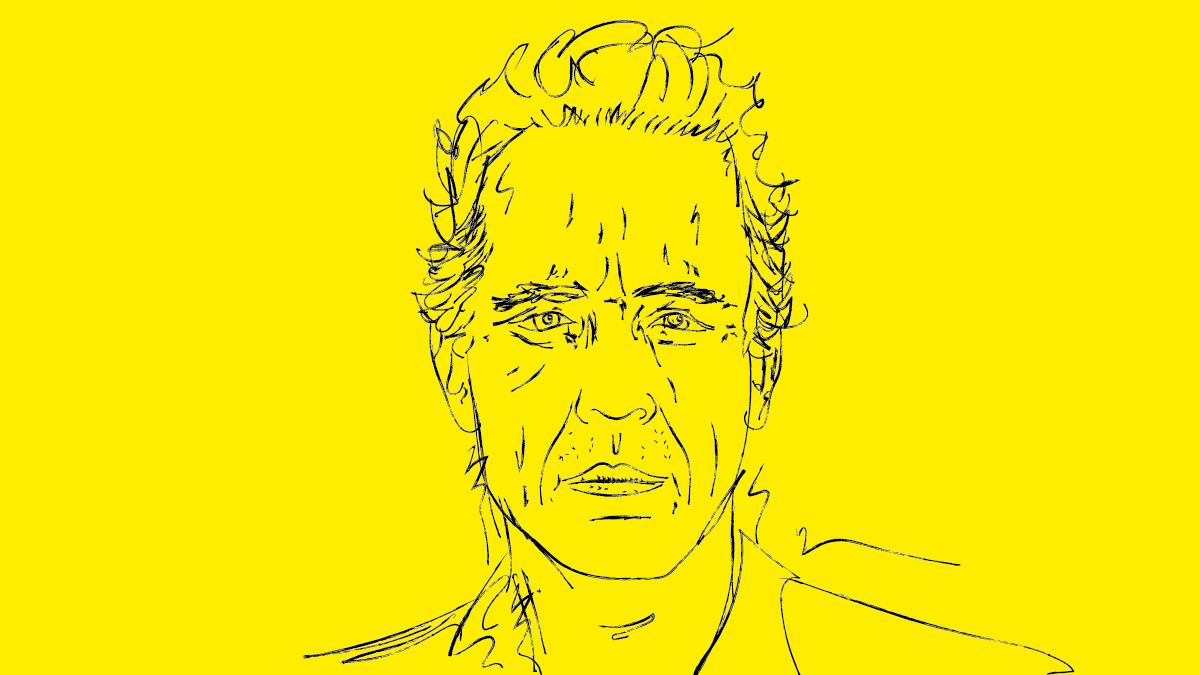
Misogynistic, a gift to the alt-right, complicit in the oppression of women and enemy of political correctness, all this and more has been said of Jordan B. Peterson. Indeed, the list of misdemeanours grows daily. Some of the stuff I’ve looked at regarding 12 Rules for Life make me wonder if the people involved read the same book I did, or whether they read the book at all.
This brings us to a central problem. Many who comment are merely concerned with grinding the axe, whether it be for glory, mischief or ideological validation. Peterson’s infamous interview with Cathy Newman is testament enough to that. The sound bite of bullshit might produce a frisson of intrigue, but it doesn’t really get us anywhere. Neither does the guru/hero worship of unquestioning followers.
I’m an author, a social scientist, a qualified counsellor and a lifetime student of psychology, especially the Jungian kind. I’m also experienced in working with people who might be described as disadvantaged. I believe my take on 12 Rules for Life is an informed one.
Peterson exudes honesty, not only in 12 Rules, but also in his introduction to Maps of Meaning – a weighty tome, not for the fainthearted, but well worth a read. When I sense honesty, it lifts my spirits and engenders confidence in the person’s sincerity. Furthermore, Peterson admits he may have got some things wrong. Manna from heaven. Everyone gets some things wrong, even if only a little. We’re imperfect beings, it’s the human condition. And yet, how few writers of serious work are willing to admit this to themselves, let alone their readers. His voice has gravitas, laced with an underlying humility and he’s not averse to employing wit. As a writer, he’s just plain likeable. As a scholar, he’s done his homework. As a practising therapist, he’s earned his spurs.
When reading 12 Rules, there were times I felt I was being gently told off by a father figure, albeit a wise, loving and kind one. Having never had one of those in my life and after initially feeling rattled by it, I found myself rather taking to it. It’s claimed that the book is aimed at men, which I would dispute. I believe men find it appealing, which is not the same thing. If this approach resonates with them, all well and good, I believe they’re sorely in need of it. Like Peterson, I’ve observed that many men are in crisis and don’t believe they deserve any less compassion than women. The crosses we bear may be different, but they are crosses, nevertheless. Blaming today’s men for ‘patriarchy’ is like blaming the current generation of Germans for the Second World War. As a young adult I believed that we were all blank pages and could create any society we wanted. This belief was chronically naïve. I learned that just because you want something to be true doesn’t mean it is. Cultural norms form, there’s no evil master plan and yes, culture (and biology) evolves, though more slowly than we would often like. Indeed, if change comes too quickly, people fall prey to the chaos that Peterson so eloquently describes.
The framework Peterson has created to explain our relationship with structure and chaos is superb, a tool to help us understand forces in the individual and wider society that can seem inexplicable. But for me, the real genius of 12 Rules has been overlooked in the scramble for the smart remark – its archetypal nature. When the archetypes of life and story are studied in any depth, one becomes imbued with them. Peterson’s archetypal structure for the book may well have begun unconsciously – as an archetypal writer myself*, I understand this way of being doesn’t necessarily stem from conscious thought – it can rise from the depths of its own accord. Whatever the case, it’s a master stroke. The very title, ‘12 Rules for Life’ immediately brings forth the numinous energy we relate to the story of the Ten Commandments, which is referenced in the introduction. The structure of each chapter is designed to appeal on the conscious and unconscious level, energising the psyche to hear the call to action, whilst still referring to reason and research. This is underpinned by meaningful reference to works of literature, philosophy and psychology. His own personal reflections, sometimes light-hearted, sometimes heart-rending, draw us further into deep emotional connection, whilst the Coda sings of the fine and ancient tradition we generally term ‘fairy tale’. 12 Rules can re-root the floundering in fertile archetypal soil. I believe this to be the primary reason it resonates with so many – and deservedly so.
I don’t agree with everything in 12 Rules. There is, in my opinion, a predictably human smattering of selective statistics and biological ‘truths’, but not enough to induce a loss of faith in the broad strokes. Some differences in perspective, also, but Peterson’s as entitled to his considered opinions as I am. I can understand where the germs of mischief lie for those who’ve blown things way out of proportion. Some supporting assertions are arguably misguided, but I can see nothing that justifies outrage.
Peterson believes that if we aim for the rules he’s laid out, our lives and our society would be better for it.
The question is, do I believe that? Absolutely.
Peterson’s meteoric rise could easily result in what Jung would describe as inflation, but I believe he has the capacity to withstand it. I hope instead, he continues to question, rework and refine. I watch with interest.
*For an introduction to Jungian themes, see my short story, Carl Gustav Jung: The Merchant of Soul. www.bbkindred.co.uk
For modern fiction that draws on archetypal themes including the hero myth and descent into the underworld, see The Cairo Pulse by B.B Kindred, available from all major Ebook retailers.